20th Logo Banner wide

Support Our Global Community

An historic opportunity to support the Stanford OHS of tomorrow. Donate now to the 20th Anniversary Endowment Fund.

DFRL

Key Courses: DFRL

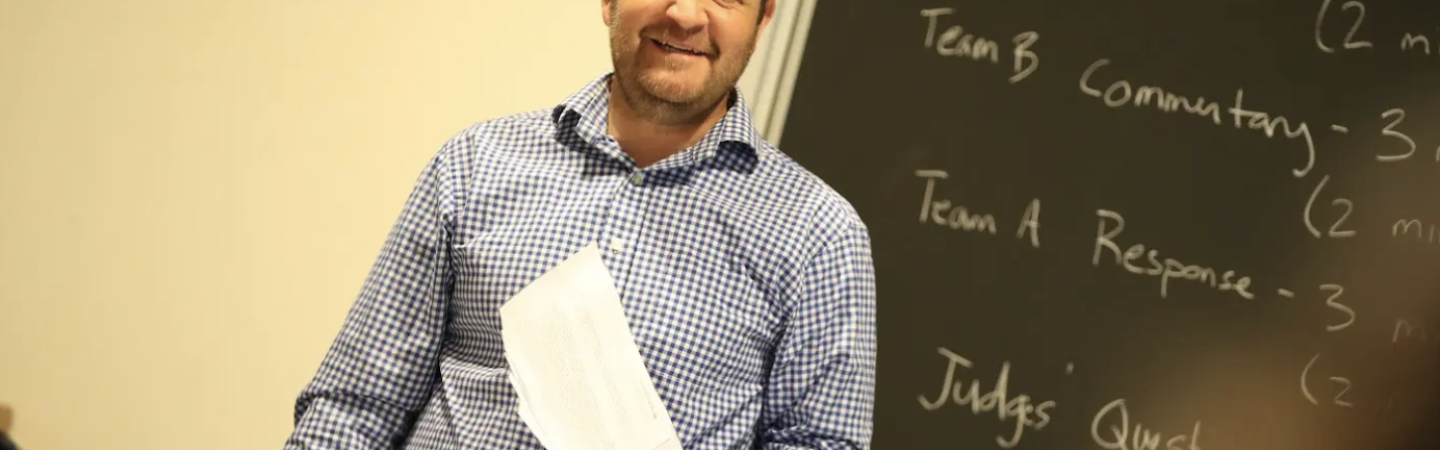
Democracy, Freedom and Rule of Law, or DFRL, ranks as one of the most memorable OHS courses among current students and alumni. Its popularity is legendary, and for good reason; it was the first course taught on the very first day of school at OHS. Designed by Jeff Scarborough and Pat Suppes, the course is the third in our four-year Core sequence. 

middle school

Expansion to Middle School

In 2009, Stanford OHS opened its virtual doors to students in grades 7 & 8 with courses in Science and English specifically designed for intellectually adventurous middle school students. These courses bring topics often reserved for college to middle school students in courses designed specifically for them, like the Philosophy Core courses Human Nature and Society, added in 2014, and Logos, Cosmos, and Doubt, added in 2019 to bring the Core curriculum all the way to seventh grade. 

PixelPairing

Pixel Pairing

Harrison Siders (2020) & Briones Bedell (2021) met in 2018 while on a trip to visit Harvard University and to attend the United Nations Permanent Forum on Indigenous Issues in New York City. Their connection was forged with the help of a fellow classmate, Louis Gosart (2018) and his mother, Dr. Ulia Gosart, who organized the trip, and by Dr. Kristina Zarlengo, who taught both students in Constitutional Law. Dr. Zarlengo encouraged Briones to talk to Harrison, who had taken Constitutional Law the year prior, while on the Harvard trip. Harrison asked Briones about the case she was writing her final brief on and the rest is history. The couple was wed in April 2025 and they reside in Columbus, Ohio.  

Skype

From Skype to Pronto

Skype served as a connection point– a virtual hallway or cafeteria–where students and instructors could chat informally between classes. Though the school transitioned away from Skype and toward our new communication channel, Pronto, in 2023, students and alumni fondly recall the late nights and lengthy conversations they shared on Skype. 

Ted Alper

Instructor Spotlight: Ted Alper

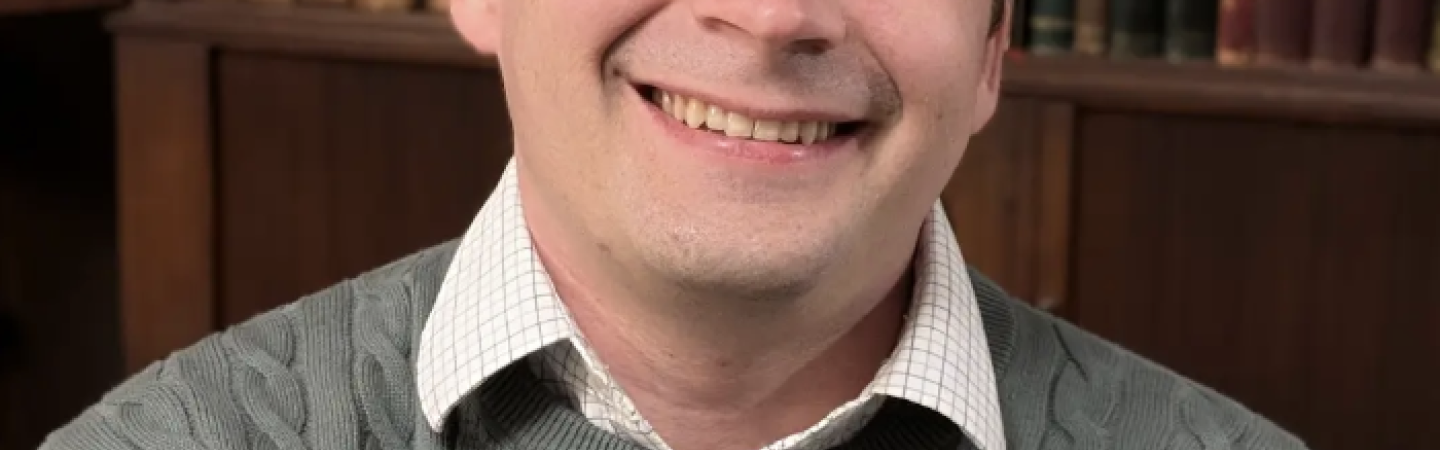
Ted Alper has been at OHS from the beginning. He notes, “Even today, getting your high school degree from an online school is a little unusual, but back then it was REALLY unheard of, and students and families who were willing to try it had to be real iconoclasts.” But some things stay the same: “I remember having office hours with a student in Iceland, another in Japan and a third somewhere in the Midwest—Chicago, I think, but I may be wrong—discussing number theory and just pinching myself with the unreality of it all.”

Pixelstra grad 24

Clubs and Societies

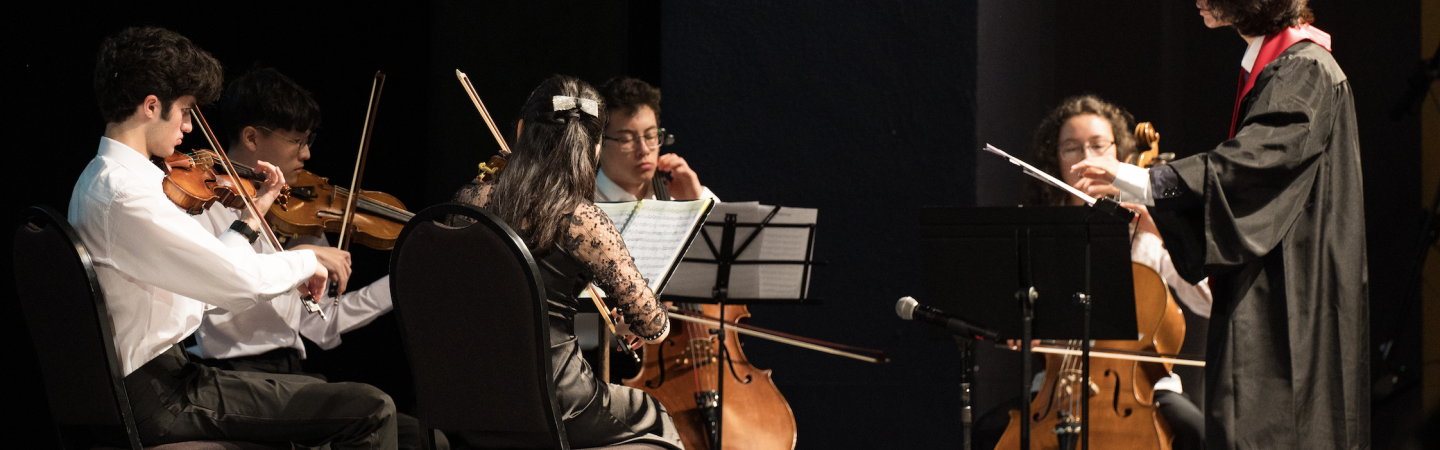
Clubs and societies offer a place for students to connect over shared interests outside of the classroom. OHS currently has 40 clubs and over 100 student-led societies ranging in themes from Fiber Arts to Neuroscience, Travel and Culture, and Pixelstra– our own orchestra which performs at graduation each year. 

London Summer Trip

Summer Trips

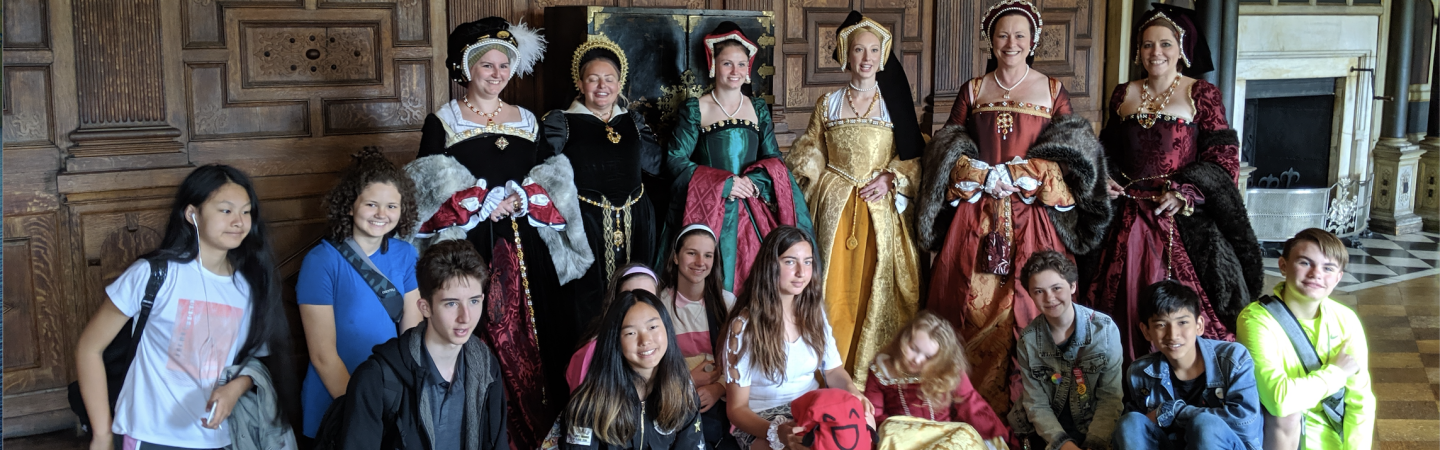
Though traditional field trips are nearly impossible in our online setting, summer trips to destinations like Rome, London, The Galapagos Islands, and Tokyo, give students the opportunity to meet in person, gain field experience, and embark on cultural excursions with their peers and instructors. Our first summer trip took place in 2015 and students traveled to Panama. 

Distinctive Courses at Stanford OHS

Stanford Online High School (Stanford OHS) offers unique and advanced online courses designed to challenge students well beyond the traditional high school level. With more than 40 college-prep and early college-level courses, the school allows students to explore subjects rarely offered elsewhere.

Ben Wiebracht

Canon & Counter-Canon

How do we decide, in an English class, what to read in the first place? That is the question at the heart of this early college-level course, taught by instructor Ben Wiebracht. 

Students explore the canon of nineteenth-century British Literature as it has evolved over time, with one-time bestsellers falling into obscurity and long-neglected texts emerging as classics. Along the way, students learn about the various forces and agents that have shaped the canon — from broad cultural movements to heavyweight institutions like the Norton Anthology of English Literature to individual scholars. 

The class ranges beyond the current canon as well. Each unit pairs a canonical text with one that is currently out in the cold, and students are invited to consider how the non-canonical text challenges or enriches our understanding of the period. 

The Fall semester concludes with some hands-on canon-expanding work: in small groups, students make a critical edition of a neglected poem from the abolitionist movement. The project provides excellent training for those who choose to go on to Dr. Wiebracht’s Advanced Topics in Literature courses, which offer students the chance to collaborate with their teacher on a published scholarly edition of an under-studied text. 

You can find Dr. Wiebracht’s most recent collaboration with students under the Pixelia Publishing imprint, The Tour of Doctor Syntax in Search of the Picturesque.